Graphic Design Excellence Starts Here Faisalabad’s #1 Course
Turn “No Job” into “Now Earning”! Join the Best Graphic Design Course in Faisalabad – Start Earning in Just 2 Months!
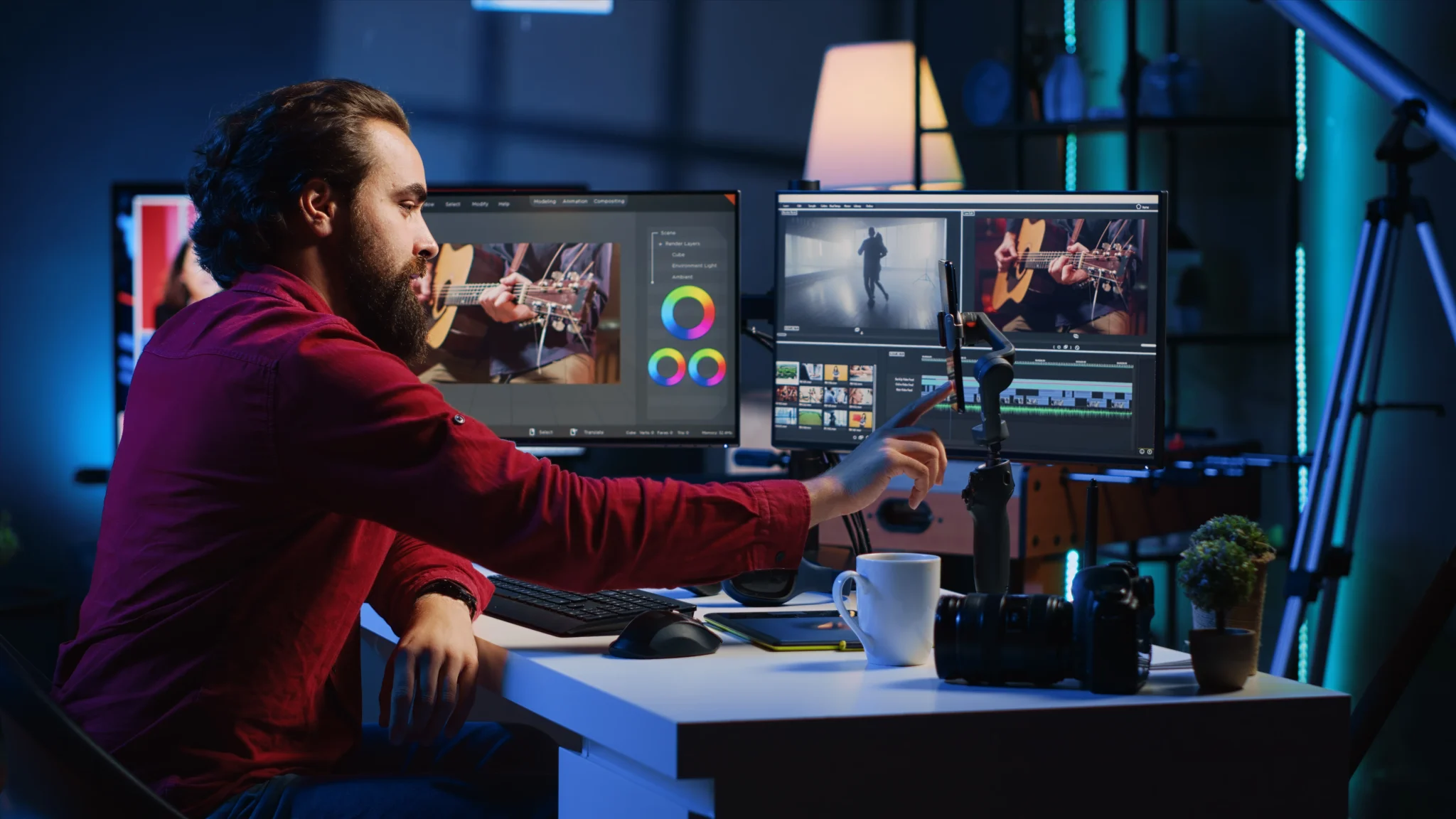
Join the British Institute for Faisalabad’s Most Advanced Graphic Designing Course!
Master in-demand skills with expert instructors, hands-on projects, and real-world tools. Our complete training program includes 100% job placement assistance to kickstart your career in the digital design industry. Learn the latest software, sharpen your creativity, and step confidently into the fast-paced world of digital media
Why You Should Learn Graphic Designing in 2025
In 2025, graphic designing is more than just an art—it’s a powerful career skill that opens doors in almost every industry. From digital marketing to mobile apps, websites to e-commerce, the demand for creative visual content is at an all-time high. Companies are actively seeking talented designers who can craft engaging visuals that capture attention and communicate messages effectively. Learning graphic designing not only boosts your creativity but also equips you with in-demand technical skills using tools like Adobe Photoshop, Illustrator, and Canva. Whether you want to work in an agency, freelance online, or start your own design business, graphic design offers flexible career paths. Plus, with the rise of remote work and digital businesses, skilled designers can earn globally right from their homes. In short, graphic designing in 2025 is not just a skill—it’s an opportunity to build a future-proof, creative, and profitable career.
Why the British Institute Is Best Place to Learn Graphic Designing
The British Institute stands out as the leading choice for graphic designing courses due to its commitment to quality education, expert instructors, and career-focused training. In 2025, when digital skills are in high demand, the British Institute offers a modern and practical approach to graphic design education that meets global industry standards. Students learn from experienced professionals who bring real-world insights into the classroom, ensuring that every learner gets hands-on experience with tools like Adobe Photoshop, Illustrator, and other essential design software.
What truly makes the British Institute unique is its focus on real-time projects and portfolio development. Students don’t just learn theory—they create, design, and solve real challenges, preparing them for both freelance and job markets. The institute also offers 100% job placement assistance, helping students secure internships, remote work opportunities, and full-time jobs both locally and internationally.
Flexible class timings, updated course content, and a supportive learning environment further enhance the learning experience. Whether you’re a student, a beginner, or someone looking to switch careers, the British Institute provides a trusted path to becoming a professional graphic designer. It’s not just a course—it’s a career launchpad for the digital world.
Course Highlights and Learning Outcomes
Overview To Graphic Designing
- Adobe illustrator
- Adobe Photoshop
- Practice illustrator Tools
- Daily Assignment
Adobe illustrator
- Creating Shapes & Explore Tools
- Text Effect With Typography
- Text Convert In Shapes Different Style
- Daily Assignment
Introduction To Logo Design
- Creating Multiple Artboards
- Understanding Logo Desgin
- Types Of Logo
- Daily Assignment
Creating Logo & Vector Design
- Creating Logo Design
- Introduction T0 Vector Training
- Practice Vector Training
- Daily Assignment
Visiting Card
- Introduction To Visiting Card
- Creating Visiting Card
- Photoshop Overview
- Daily Assignment
Adobe Photoshop
- Basic Photoshop Tools
- Practice With Photshop Tools
- Mockup Design
- Daily Assignment
Social Media Post Design
- Social Media Post Design
- Banners Design
- Brochure Design
- Freelancing
Freelancing
- Fiver
- Upwork
- Legit
- Creating Profile & Optimization
Graphic Designing in the Future: Trends and Opportunities
Graphic designing is rapidly evolving as technology, user behavior, and digital platforms continue to advance. In the near and distant future, graphic design will go far beyond static images and traditional visuals. It is becoming a vital part of digital communication, marketing, user interface design, virtual reality, and even artificial intelligence. One of the biggest trends shaping the future of graphic design is the integration of motion graphics and interactive design. Static visuals are no longer enough to capture attention in a fast-paced digital world. Brands and content creators are now using animation, video-based designs, and interactive visuals to make their content more engaging. As social media platforms like Instagram, TikTok, and YouTube continue to dominate, the demand for designers who can create short-form visual content and video graphics will soar.
Another trend is the rise of AI in design tools. Artificial intelligence is not replacing designers, but instead empowering them. Tools like Adobe Firefly, Canva AI, and Figma’s AI features help automate repetitive tasks, suggest design layouts, and improve workflow speed. In the future, designers who know how to harness the power of AI will be more efficient and in higher demand. Additionally, design personalization through data-driven graphics will become more common. Brands want to speak directly to users, and designers will be responsible for creating dynamic visuals that change based on audience behavior and preferences.
Minimalism will also continue to be a dominant design philosophy. As attention spans shrink, clear, simple, and bold visuals tend to perform better. However, minimalism will evolve to include vibrant color schemes, fluid shapes, and futuristic typography. Designers must be prepared to adapt to these visual changes while maintaining a user-focused approach. Moreover, accessibility will play a major role in design going forward. Graphic designers will need to ensure that visuals are readable and usable by all, including people with visual impairments. Understanding accessibility guidelines will be a key part of design education in the coming years.
Virtual reality (VR) and augmented reality (AR) are set to open entirely new fields for graphic designers. From designing immersive environments for the metaverse to creating AR-based product demos, these technologies are changing how users interact with graphics. Brands are already beginning to explore virtual stores, 3D product previews, and interactive filters. Designers with skills in 3D modeling and immersive UI/UX design will be at the forefront of these innovations.
Freelancing and remote work will also offer more opportunities for graphic designers. The digital shift has made it easier than ever for skilled designers to find clients worldwide through platforms like Fiverr, Upwork, and Behance. This global access to clients means that designers are no longer limited by location—they can work with international brands, startups, and agencies from anywhere. As a result, the future of graphic designing is not only skill-based but also entrepreneurship-based. Designers will have the freedom to build personal brands, offer online services, and even launch digital products like templates, logos, and design kits.
In terms of education and training, online learning platforms and short courses are becoming the new standard. Students and professionals alike can now master design tools and principles from anywhere, often at a lower cost than traditional degrees. Certifications from recognized institutions, project-based portfolios, and freelancing experience are increasingly valued over formal education. This opens up opportunities for anyone passionate about creativity—whether they are students, job seekers, or career switchers—to enter the field.
Sustainability will also be an important concern in future design. Brands and companies are focusing on eco-friendly practices, and visual communication must reflect this. Designers will need to create visuals that promote sustainability, reduce unnecessary printing, and use digital formats that are optimized for energy consumption.
Lastly, graphic designing will become more closely linked with other fields like marketing, branding, web development, and content creation. Designers will not only be visual creators but strategic thinkers who understand user behavior, brand messaging, and digital marketing goals. The role of a designer will be seen as essential in product development, user experience, and overall business growth.
In conclusion, the future of graphic designing is filled with exciting trends and endless opportunities. Whether it’s motion graphics, AI-powered tools, VR design, or global freelancing, the field is expanding in every direction. Those who stay updated with the latest tools, keep building their skills, and embrace change will thrive in this dynamic industry. Graphic designing is no longer just a creative field—it is a future-proof career with limitless potential.